
The Memorial Cup is not the same as a league championship, and the teams that forget that tend to learn the lesson in the worst possible way. Winning your conference, surviving seven-game series against divisional rivals who know your system inside out, coming out on the right side of the inevitable goaltending lottery — all of that is legitimately hard. But the Memorial Cup is a different tournament entirely. Four teams, round-robin format, a compressed schedule, and a neutral site in Everett, Washington. The team that figures it out first wins; the team that arrives thinking their regular-season identity will carry them home tends to go home early.
With that caveat firmly on the table, here is how the 2026 field shapes up heading into the tournament.
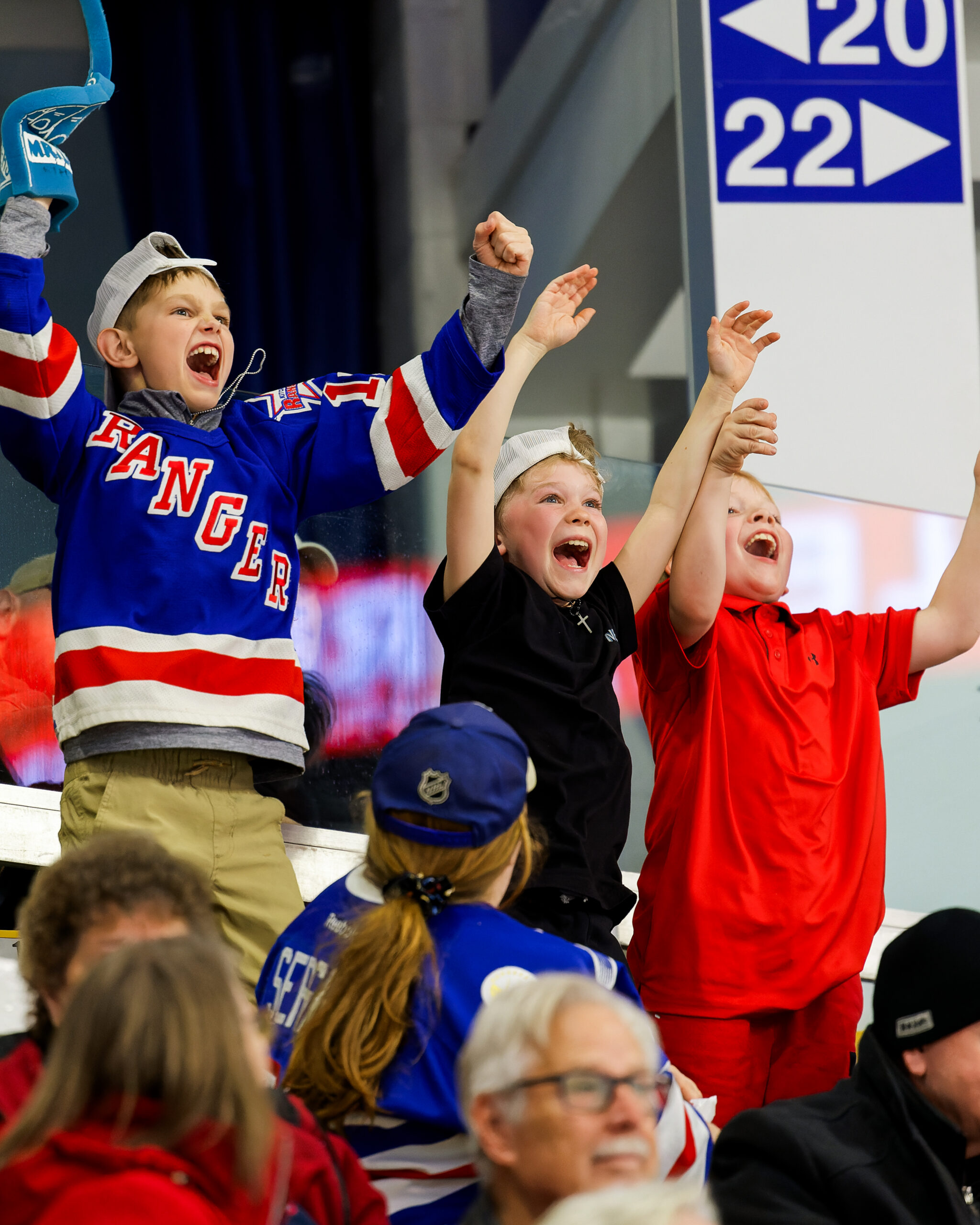
The Kitchener Rangers arrive as the OHL champion with the most recognizable star power in the field. Sam O’Reilly won the Red Tilson Trophy as the league’s most outstanding player and is the engine of everything this team does in the offensive zone. Jack Pridham had one of the great overage seasons in recent OHL history — 90 points, 46 goals — and gives the Rangers a secondary weapon that most teams can’t match. The concern is a compressed schedule that rewards depth as much as star quality, and Kitchener’s drop-off from their top two lines to their bottom two is real. When the stars are clicking, they’re as fun to watch as anything in junior hockey. When they’re not, the Rangers become a different team.
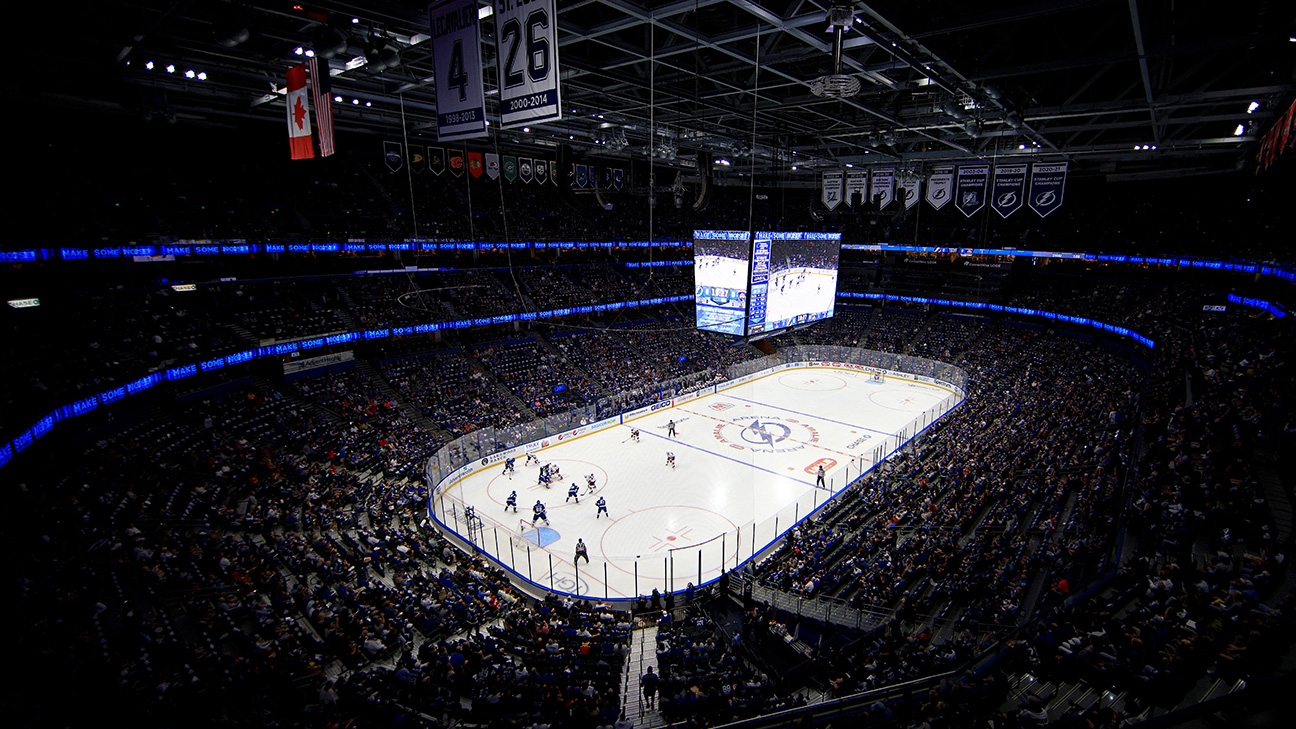
The Everett Silvertips hold the WHL championship and the home-ice advantage. Playing in front of their own crowd in Angel of the Winds Arena is not a small thing — the Silvertips built their regular season around a home-floor edge that carried through the playoffs. They arrive with arguably the most complete roster in the field in terms of depth: dangerous players on all four lines, a defense corps that doesn’t ask its top pair to play 28 minutes a night, and a goaltender who has been the best in the league across a full season. The concern, as always with WHL teams at the Memorial Cup, is that they are already the host — the weight of expectation at home can tighten systems and slow decisions at exactly the moments when looseness and instinct are required.
The QMJHL representative is the team most observers are undervaluing. That’s partly a coverage issue — the Q doesn’t receive the same media attention as the OHL and WHL — and partly a tendency to reflexively discount the league’s competition level. This team is not interested in your discount. They play a structured, suffocating game that neutralizes individual talent more effectively than almost any team in the tournament, and they do it with a goaltender who has been unconscious in the playoffs. Upset alert is an overused phrase, but if one team is positioned to do something unexpected, it is this one.
The host advantage for Everett cuts both ways, as it always does. History is not particularly kind to combined host/champion entries; the weight of representing both the league and the city tends to affect teams differently. Some embrace it and find an extra gear. Others press, and the crowd that was supposed to be the advantage becomes the most acute reminder of what’s at stake.
The honest prediction: Kitchener wins the championship. O’Reilly in playoff form is a different problem than any team in this field has had to solve this postseason, and the Rangers’ experience level — they have been here before — gives them an edge in a format that rewards poise. Everett makes the final and gives them everything. The Q team causes a serious problem for someone before going home. The Memorial Cup will be great, as it almost always is, and in five years the fans who were there will tell everyone they knew it all along.