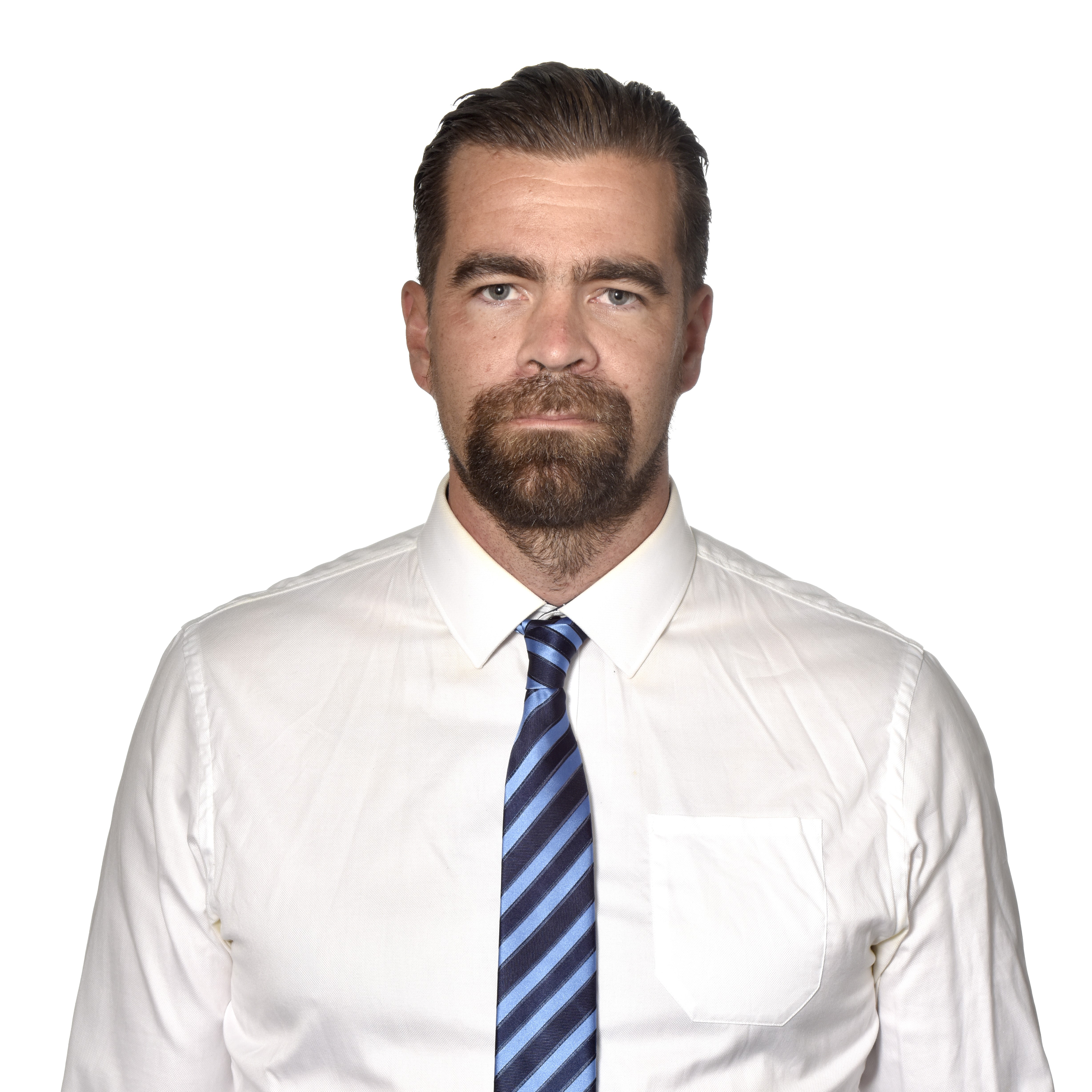
When Jussi Ahokas walked into the Kitchener Rangers dressing room for the first time as head coach, he became something the Ontario Hockey League had never seen before: a European head coach at its highest level. The Finnish bench boss, who had previously worked in Finland’s Liiga system, arrived with a reputation as a tactician and a developer — a coach who built systems around players rather than forcing players into systems. What no one fully anticipated was how quickly he would make the North American game his own.
The skepticism was understandable. Junior hockey in North America runs on a specific kind of cultural currency — the pregame speech, the third-period adjustments, the ability to command a room full of teenagers who are one bad week away from questioning everything. Those skills don’t translate automatically from any league, let alone across an ocean and a hockey culture that barely resembles the one Ahokas had spent his career in. Finland plays a patient, structured game. The OHL plays fast and physical, demands decision-making that the European model trains you to slow down rather than accelerate. Getting a team to believe in a new system is one thing. Getting them to believe in a coach who learned the game in a different country, in a different language, with a different philosophy, is another.
Ahokas answered the skeptics the only way that counts: with results and with the way his players talked about him.
What became clear within the first half of the season was that Ahokas had no intention of importing a European style and hoping it fit. He studied the league — the pace, the refereeing tendencies, the physical demands on his forwards, the specific way OHL defensemen needed to play the rush — and he adapted. His system retained its Finnish DNA in the details: structured neutral-zone play, strong puck-possession principles, an emphasis on conditioning that surprised players used to a different off-ice approach. But the way he deployed those principles was built for the league he was coaching in, not the one he had come from.
His relationship with his players became the story within the story. Ahokas is known for a directness that his players came to respect — he doesn’t manage feelings, he manages performance, and he tells players exactly what he sees and exactly what he needs from them. For a group that included veterans like Jack Pridham and a mix of players hungry for a championship run, that clarity was exactly what was needed. Pridham, who would go on to win the OHL’s Overage Player of the Year award, has spoken about the way Ahokas challenged him to expand his game in areas scouts would specifically look at. That’s not a coincidence; it’s coaching.
The 2026 Memorial Cup was the validation of everything Ahokas had built. The Rangers came in as one of the tournament’s most complete teams — defensively responsible, dangerous on the power play, and mentally settled in a way that only comes from a team that trusts its structure and trusts its coach. They won it the way Ahokas had promised it would happen: by controlling what they could control and grinding through what they couldn’t.
The Matt Leyden Trophy for OHL Coach of the Year came with the territory, and it was deserved. But the more lasting recognition belongs to what Ahokas proved about the game: that great coaching is about the work, the system, the relationships, and the willingness to learn a new environment — not the passport you carry. In becoming the first European head coach in OHL history, Jussi Ahokas didn’t just open a door for coaches from across the Atlantic. He built an argument that the door should have been open all along.